

OT Milestones
Occupational therapy supports the everyday skills children need to grow, play, and participate in the world around them. From holding a spoon to getting dressed, drawing pictures to managing big feelings — these skills are the foundation for independence and learning.
But with so much variation in how children develop, it can be tricky to know what’s typical, and when to consider extra support.
That’s where OT milestones come in. They offer a simple guide to what skills typically emerge at different ages, including:
- Gross motor – whole body movements using large muscles
- Fine motor – movements using the small muscles in the hands fingers and eyes
- Self-Care – dressing, eating, sleeping, personal hygiene, toileting etc.
- Sensory Processing – ability to understand and react to information from your senses (vision, hearing, touch, body awareness and balance/movement)
- Play and social skills
OT milestones can help you notice what’s going well, identify areas that might need support, and start conversations with health professionals or educators if needed. Your child doesn’t need to tick every box — but if several skills aren’t yet emerging, or something just feels “off,” it’s okay to reach out for support.
How to Use This Page
Choose your child’s age range
Read through the communication skills typically seen at that stage
Acknowledge the things your child is doing — and celebrate those wins!
Highlight any skills that are not yet emerging or that feel tricky for your child
Notice some areas of difficulty? A quick check or assessment can be a helpful next step.
OT Ages And Stages
0-6 months
Fine Motor
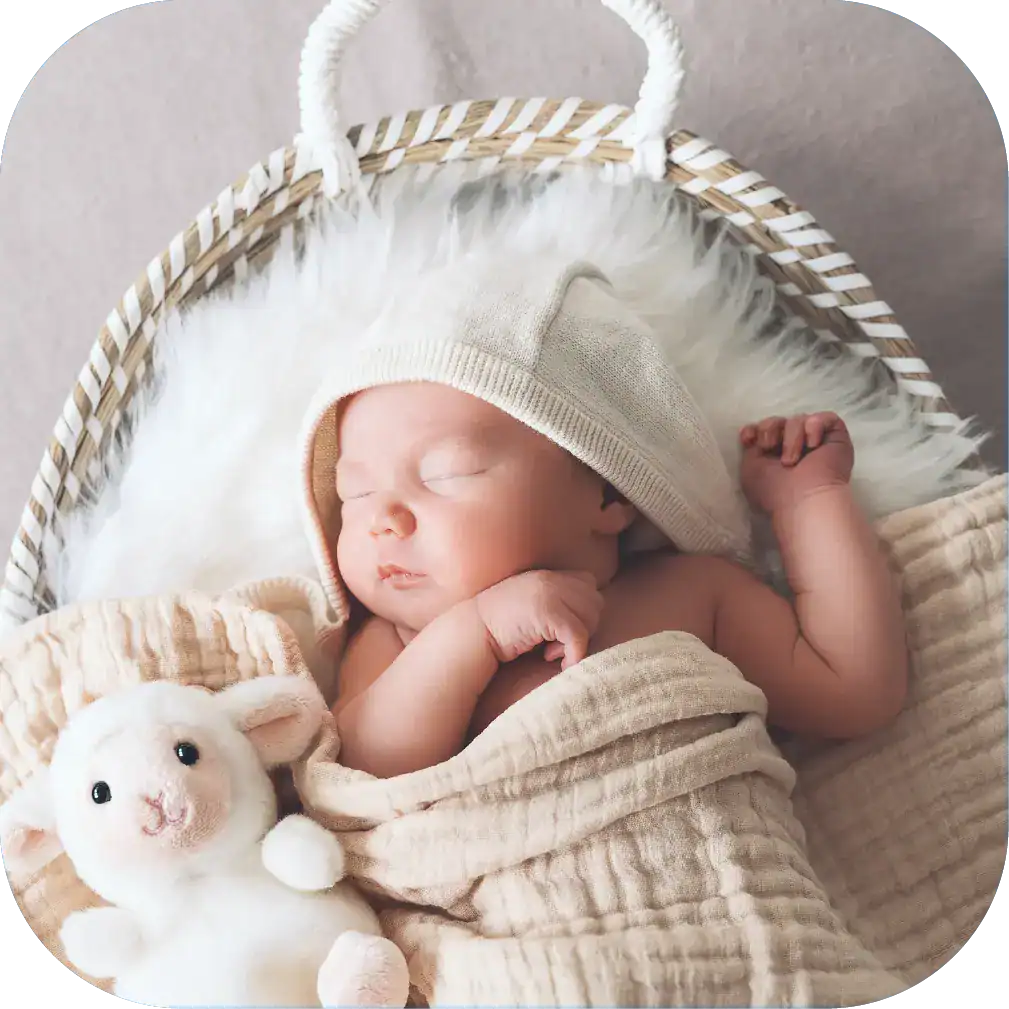
- Closes their hand around objects placed in their palm (reflexive grasp)
- Reaches for and grabs nearby objects such as toys
- Begins to reach with more control (around 6 months)
- Holds objects using both hands (by about 3 months), and later with just one hand (by around 5 months)
- Begins to locate objects they’ve dropped
Gross Motor
- Begins to roll over from front to back or back to front
- Brings feet up to hands or mouth while lying on their back
- Holds their head up steadily when supported
- Starts sitting with support (e.g. leaning on pillows or sitting in a lap)
- Begins to push up on their arms while lying on their tummy
Play and Social Skills
- Makes eye contact for a few seconds
- Smiles in response to social interaction
- Laughs during playful interactions
- Settles or calms when comforted (though may cry frequently)
- Begins to explore objects by looking, touching, or mouthing
Self-Care
- Follows moving objects with their eyes
- Coordinates sucking, swallowing, and breathing during feeding
- Sleeps for longer stretches (4–10 hours at a time)
- Cries to communicate hunger, discomfort, or fear
Sensory Processing
- Follows moving objects with their eyes
- Cries to communicate needs like hunger or discomfort
6-12 months

Fine Motor
- Reaches for and brings objects to their mouth
- Lets go of objects with control (not just dropping them accidentally)
- Picks up small items using their thumb and finger (pincer grip)
- Passes toys or objects from one hand to the other
- Bangs two toys together using both hands, usually in front of their body
- Points or pokes using their index finger
- Consistently locates objects they’ve dropped
Gross Motor
- Consistently rolls over from front to back, or back to front
- Crawls on their tummy to move around
- Sits up without needing support
- Gets up onto hands and knees
- Consistently pushes up with arms while lying on their tummy
- Moves into a sitting position on their own
- Begins to crawl on hands and knees
- Begins to move between positions (e.g. sitting, crawling, lying down)
- Begins pulling themselves up to stand
- Stands for a few seconds without holding on
- Walks while holding onto furniture (cruising)
- Takes 2–3 steps without support
- Rolls a ball back to you when you show them how
Play and Social Skills
- Follows moving objects with their eyes
- Begins to recognise themself in the mirror
- Responds to facial expressions (e.g. smiles back, looks concerned)
- Enjoys games like peek-a-boo
- Imitates simple adult actions (e.g. waving, clapping)
- Claps when prompted
- Lifts arms to be picked up
- Offers toys to others spontaneously
- Holds and positions a doll or toy upright during play
- Plays with one toy for 2–3 minutes
Self-Care
- Sleeps 10–12 hours with just one waking
- Starts drinking from a cup (with help)
- Holds their bottle or cup
- Feeds themselves small snacks like crackers
Sensory Processing
- Cries to express hunger, fear, or discomfort
- Tries and tolerates a range of food textures
- Moves food around their mouth with their tongue
1-2 years
Fine Motor
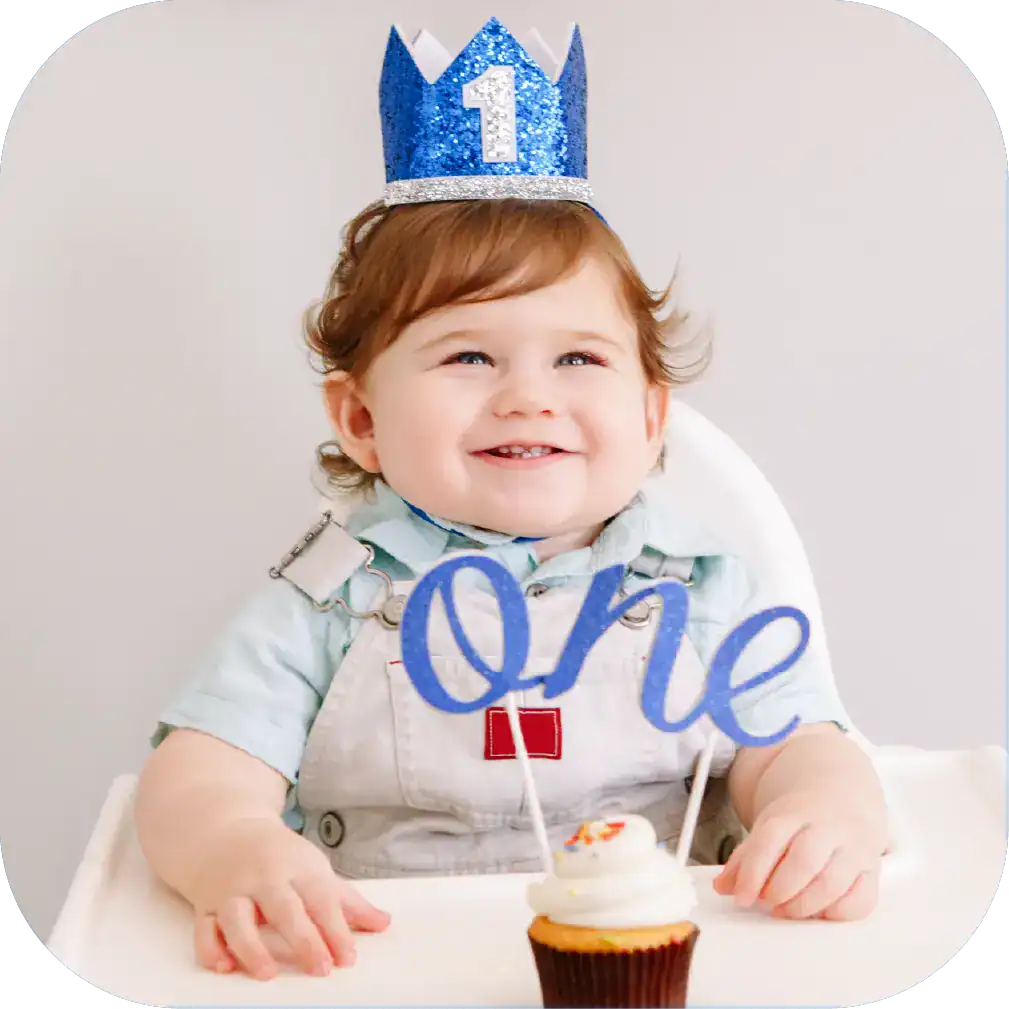
- Stacks three small blocks to build a tower
- Puts rings onto a stick or post
- Turns pages in a book (may turn two or three at a time)
- Turns knobs on toys or doors
- Paints or draws using big arm movements
- Picks up small objects using their thumb and finger consistently (pincer grip)
- Puts shapes into a shape sorter on their own
- Uses simple signs to ask for things or express needs
Gross Motor
- Sits, crawls, or walks without help
- Gets up onto hands and knees
- Crawls on hands and knees without effort
- Moves easily between positions (like sitting, crawling, or lying down)
- Pulls themselves up to stand with ease
- Stands without holding on
- Tries to run (often stiffly, with eyes on the floor)
- Begins to walk while holding a toy
- Begins to change direction while walking
- Rolls a ball back to you after watching you do it
Play and Social Skills
- Recognises themself in the mirror consistently
- Searches for hidden objects during play
- Looks in the right place when a toy is hidden
- Begins to play alongside other children
- Shows interest in others by offering toys or joining in actions
- Copies gestures and sounds
- Pretends to do familiar actions (e.g. sleeping, eating, giving a drink)
- Copies adult behaviours (e.g. cleaning, talking on a phone)
- Starts to use imagination in play (e.g. feeding a doll)
- Uses simple social words like “hi,” “bye,” or “please”
- Sits and listens while books are read
- Notices whether a parent approves or disapproves of actions
- Follows simple 1-step instructions (e.g. “Give me the ball”)
Self-Care
- Begins to settle themself to sleep at night or for naps
- Knows the difference between food and non-food items (by 18 months)
- Eats mostly on their own, with just a little help if needed
- Brings a spoon to their mouth
- Holds and drinks from a cup without help
- Tolerates nappy changes
- Begins to explore tooth brushing
- Begins to take off socks and shoes
- Begins to help with dressing by putting out an arm or leg
- Knows where familiar items are kept
- Begins to solve simple problems through trial and error
- Begins to understand basic safety (e.g. hot surfaces, stairs, glass)
- Checks in regularly with trusted adults
Sensory Processing
- Enjoys or tolerates messy play
- Eats a variety of textures without difficulty
- Developing depth perception
- Notices more details in their surroundings
2-3 years
Fine Motor
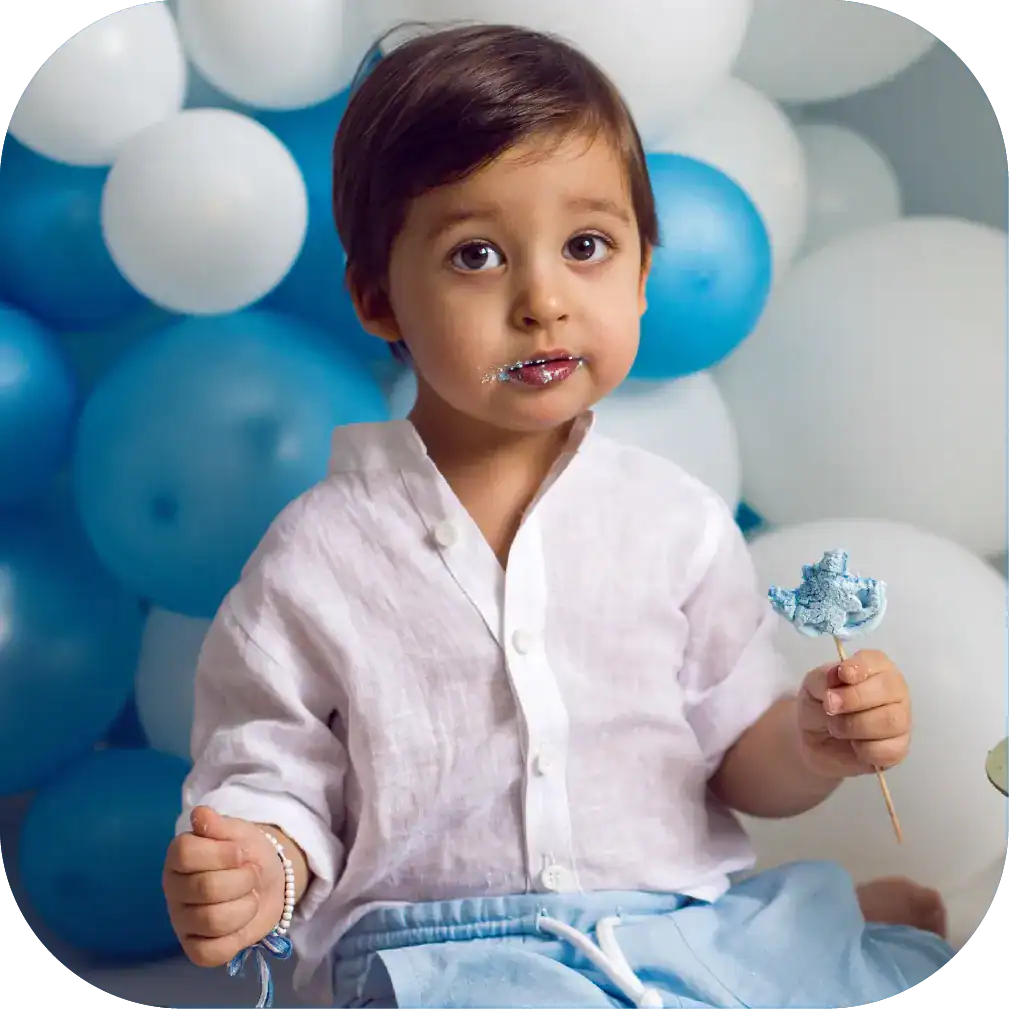
- Starts using one hand more often for most tasks
- Strings 3–4 large beads onto a piece of string
- Builds a tower using 3–5 small blocks
- Copies a simple coloured block pattern in a tower
- Turns one page at a time in a book
- Makes small snips with child-safe scissors
- Holds a pencil or crayon using their thumb and fingers (not a fist)
- Copies simple shapes like circles, straight lines, and crosses
- Completes simple insert puzzles on their own
Gross Motor
- Walks smoothly and can turn corners
- Runs with more control, though their stance may still be wide
- Begins to climb onto and down from furniture without help
- Walks up and down stairs with some support (e.g. holding a hand or railing)
- Walks confidently while carrying a toy
- Changes direction confidently while walking
- Begins to pick up toys from the floor without losing balance
- Rolls a ball to another person independently
Play and Social Skills
- Plays beside other children consistently (parallel play)
- Pretends with toys, treating dolls or teddies as if they’re real
- Begins to use one object as another (e.g. a stick as a sword)
- Acts out less familiar events in play (e.g. going to the doctor)
- Starts to express wants and feelings using short sentences
- Looks at books independently
- Expresses emotions through words or gestures
- Shows awareness of parent approval or disapproval
- Follows 2-step instructions (e.g. “Go to your room and get your shoes”)
- Matches simple shapes like circles and squares
Self-Care
- Settles themselves to sleep consistently
- Uses the toilet with help and has daytime control
- Knows the difference between wee and poo and names them correctly
- Eats independently without needing help
- Feeds themself basic meals with a fork or spoon
- Begins to use a napkin to wipe face and hands
- Takes off shoes and socks
- Helps more consistently with dressing
- Begins to unbutton large buttons
- Tries to brush teeth
- Knows where things belong around the house
- Solves problems through trial and error
- Understands common dangers like hot objects or stairs
Sensory Processing
- Enjoys or tolerates messy play
- Eats a variety of textures without difficulty
- Pays attention for about 3 minutes
- Recognises and sorts different objects
- Copies sounds
- Demonstrates developing body awareness by pointing to 5–6 body parts of a doll when asked
3-4 years

Fine Motor
- Uses one hand consistently for most tasks
- Uses their other hand to hold or steady things while working
- Builds a tower with around nine small blocks
- Copies simple block designs using up to six blocks
- Threads a sequence of small beads onto string
- Holds a pencil with fingers and thumb on opposite sides (not wrapped around)
- Traces along thick lines with a crayon or pencil
- Copies a circle and tries to draw a cross
- Cuts roughly around pictures with scissors
- Completes 4–6 piece interlocking puzzles
Gross Motor
- Runs with good control
- Consistently climbs onto and down from furniture without help
- Climbs on playground equipment like ladders or jungle gyms
- Walks up and down stairs, using alternate feet
- Walks on tiptoes
- Jumps with both feet together five times in a row
- Consistently picks up toys from the floor without losing balance
- Copies simple movements like lifting both arms together
- Tries to copy an adult standing on one foot
- Begins to throw objects using an overarm action toward a target
- Catches a ball using their whole body (not just their hands)
- Pedals a tricycle
Play and Social Skills
- Joins in simple group play with 2–3 children
- Begins to take turns and shares with peers during games or activities
- Begins to use imagination to create detailed play stories (e.g. fire rescue)
- Begins to expand play themes beyond their own experiences
- Enjoys toys with moving parts like wind-ups or levers
- Begins to express emotions clearly and talks about their feelings
- Begins to show signs of understanding social expectations (e.g. feeling shame when doing the wrong thing)
- Understands and responds to approval or disapproval
- Begins to pack toys or belongings away
- Counts from 1 to 5
- Understands what’s real vs. pretend
- Knows and remembers most colours
Self-Care
- Begins to use the toilet independently
- Feeds themself without difficulty
- Uses a napkin consistently to wipe hands and face
- Begins to open zip lock bags, containers, and lunch boxes
- Uses both hands together to brush teeth or hair
- Dresses themself, including socks, shoes, and large buttons (except shoelaces, small buttons, or starting a zip)
- Begins to choose clothes that match the weather
- Follows safety rules and understands dangers
Sensory Processing
- Tolerates tags, seams, and other textures in clothing
- Handles noisy or busy environments more comfortably
- Follows instructions with multiple parts
- Draws a basic person
- Navigates their environment with ease (better depth perception with stairs)
4-5 years
Fine Motor
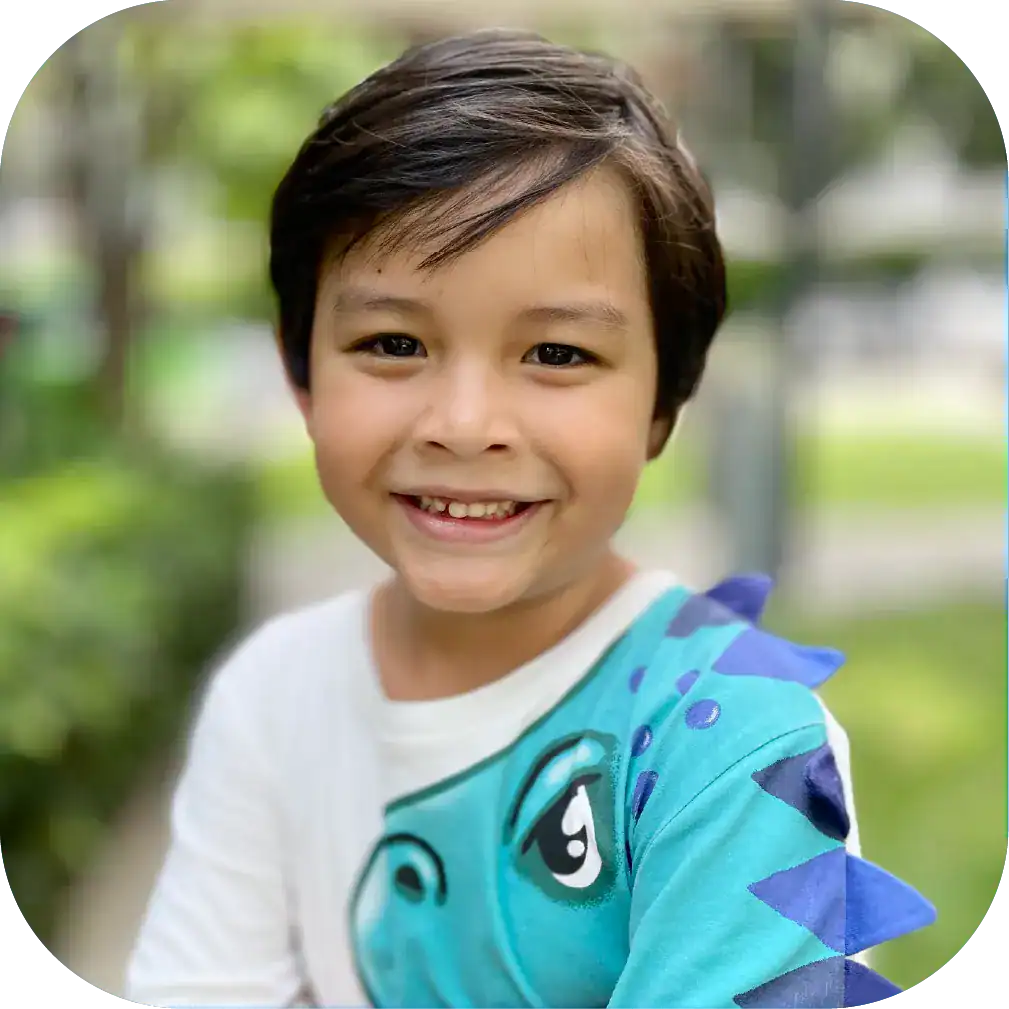
- Cuts along a line without stopping
- Builds block designs using 9+ blocks
- Creates their own Duplo or block models
- Copies simple shapes like a circle, cross, and square
- Holds a pencil using a tripod grasp (thumb, index, and middle fingers)
- Colours inside the lines
- Colours the whole picture without leaving large gaps
- Writes their name
- Traces over a line with good control
- Copies numbers 1 to 5
- Copies some letters
- Copies simple drawings using shapes (like a house made of squares and triangles)
- Tries to draw different pictures by themselves
- Completes 8–12 piece puzzles with connecting pieces
Gross Motor
- Runs around obstacles smoothly
- Walks along a straight line
- Walks up and down stairs using alternate feet, without help
- Jumps 10 times in a row, keeping a steady distance
- Jumps over objects and lands with both feet together
- Stands on one foot for up to 5 seconds
- Hops on one foot
- Copies simple movements using both sides of the body (like lifting both arms together)
- Enjoys climbing on playground equipment like ladders or jungle gyms
- Throws a ball using an overarm motion
- Catches a ball using just their hands, not their whole body
- Kicks a ball forward
- Can do a forward roll safely
- Pedals a tricycle with ease
Play and Social Skills
- Enjoys playing with mechanical or moving toys
- Plays in small groups (4-5 children)
- Consistently takes turns and shares with peers during games or activities
- Joins in imaginative play beyond everyday experiences (e.g. pretending to be a firefighter or superhero)
- Plays with others toward a shared goal or idea (e.g. building something together or acting out a story)
- Begins to form real friendships with other children
- Expresses emotions clearly and talks about their feelings
- Understands social expectations (e.g. feeling shame when doing the wrong thing)
- Uses imagination during play (e.g. dressing up, pretend cooking, role-playing)
- Understands and follows simple rules in games like hide and seek
- Packs away toys and belongings on their own
- Counts from 1 to 10
- Names basic shapes like circles, squares, and triangles
Self-Care
- Uses the toilet independently
- Chooses clothes suitable for the weather
- Dresses and undresses on their own (except for shoelaces)
- Eats meals independently without difficulty
- Brushes their teeth or hair using both hands together
- Opens lunch boxes, containers, and zip lock bags
Sensory Processing
- Tolerates tags, seams, and other textures in clothing
- Manages in noisy or busy environments
- Can sit and pay attention during group activities (like mat time)
- Recognises numbers and letters
- Understands spatial relationships (e.g. under, above)
References
Gard, A. Gilman, L. Gorman, J. (1993). Speech and Language Development Chart (2nd ed.). Austin, Texas: Pro-ed Owens, R.E. (2001) Language Development: An Introduction (5th Ed.). Boston: Allyn & Bacon. Paul, R. (2001). Language Disorders from Infancy through Adolescence: Assessment and Intervention(2nd Ed.). St Louis, Missouri: Mosby, Inc. Reynell, J. & Gruber, C. (1990). Reynell Development Language Scales. Los Angeles: Western Psychological Services. Zimmeramn, I.L. Steiner, V.G. & Pond, R.E. (2002). Preschool Language Scale – Fourth Edition – Australian Language Adaptation (PLS-4). San Antonio: The Psychological Corporation.
Prefer a Downloadable Copy?
Our free downloadable checklists are simple, age-based tools you can use to keep track
of your child’s development over time.
They’re designed to help you feel more confident in understanding what’s typical at each stage — and to make it easier to notice when something might need a closer look. You can use them at home, jot down questions or observations, and bring them along to chats with your GP, educator, or therapist. Whether you’re just curious or thinking about next steps, they’re a practical starting point.
Need a Little Extra Support?
If you’re noticing some challenges or you’re simply unsure, you don’t need to wait until it becomes a major concern. A quick check-in can often provide clarity, reassurance, and a helpful starting point.
You can:

Book a Quick Check – a free developmental screening with one of our Speech Pathologists or Occupational Therapists.
Learn more about our assessment
and therapy services.