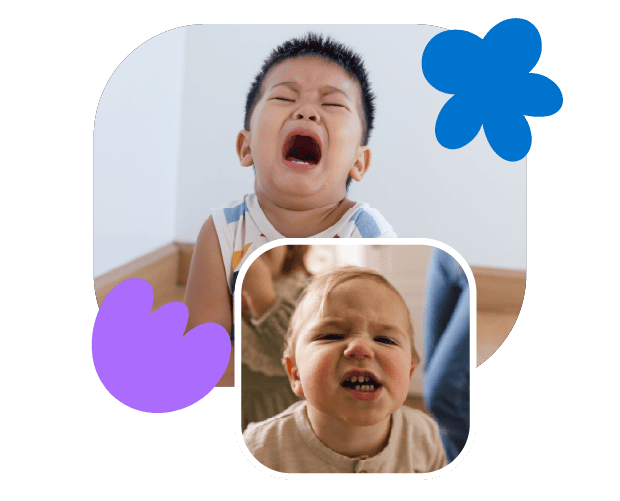
Emotional regulation is a child’s ability to understand, manage, and respond to their feelings in a way that’s appropriate for the situation. It includes recognising emotions, calming down when upset, expressing feelings safely, and staying in control during challenging moments.
Emotional regulation isn’t about stopping big feelings. It’s about helping children navigate them so they can cope with frustration, bounce back from setbacks, and interact with others in positive ways. This is a skill that develops gradually, and some children need a little more support along the way.
What Are the Signs of Emotional Regulation Difficulties?
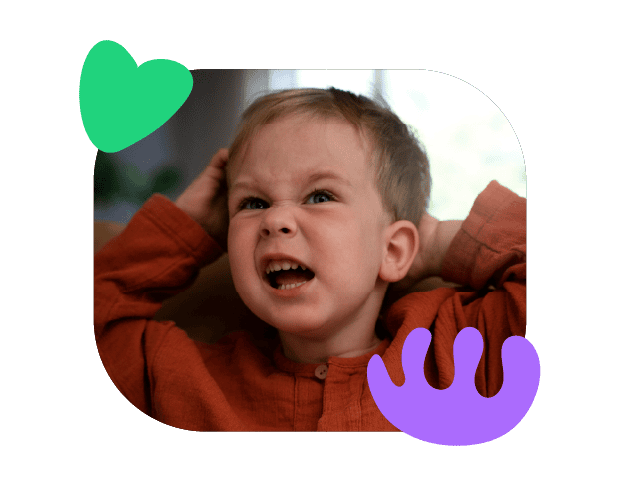
All children have emotional ups and downs, but some signs might suggest a child is finding it harder than expected to manage their emotions. These might include:
Difficulty understanding social cues or expectations
How Will Working on Emotional Regulation Help My Child?
Strong emotional regulation skills make a big difference in daily life. They help children stay calm, bounce back from challenges, and interact more confidently with the people and situations around them. Working on these skills can help your child:
Cope with change, disappointment, and unexpected events
Join in learning and group activities more calmly and consistently
Feel more in control of their emotions and how they respond to challenges
With support, emotional regulation can look like pausing before reacting, asking for help, or using tools like movement or breathing to feel more in control. Over time, building these skills can help your child feel safer, more settled, and more confident as they navigate daily life.
Emotional Regulation: Facts vs Myths
Myth: “They’re just being dramatic or manipulative.”
Fact: Emotional outbursts are often a sign that a child’s system is overwhelmed. Kids use the tools they have. If they’re melting down, it’s because they don’t yet have a better way to cope.
Myth: “They need more discipline.”
Fact: Regulation is a skill, not a behaviour choice. Teaching, modelling, and supporting emotional skills builds long-term success, not just short-term compliance.
Frequently Asked Questions
Can Occupational Therapy help with emotional regulation?
Yes. OTs support emotional development by helping children understand their emotions, identify triggers, and learn calming strategies that work for their individual needs.
What does therapy look like?
Therapy might include play-based activities, visual supports, movement strategies, and co-regulation techniques. We also work with families to build routines and tools that support regulation at home and school.
Will my child always struggle with this?
Not necessarily. With the right support, most children can build stronger regulation skills over time. Early support helps them feel more capable, connected, and understood.
How do I know if my child needs help?
If your child’s big emotions are interfering with daily life (at home, in the classroom, or in social settings) it’s worth having a conversation with an Occupational Therapist. You can contact our friendly team of OT’s here.
At Chatterbox we want the best for your family. Our therapists are kind and caring. They are passionate about working with children and helping your child to realise their true potential.