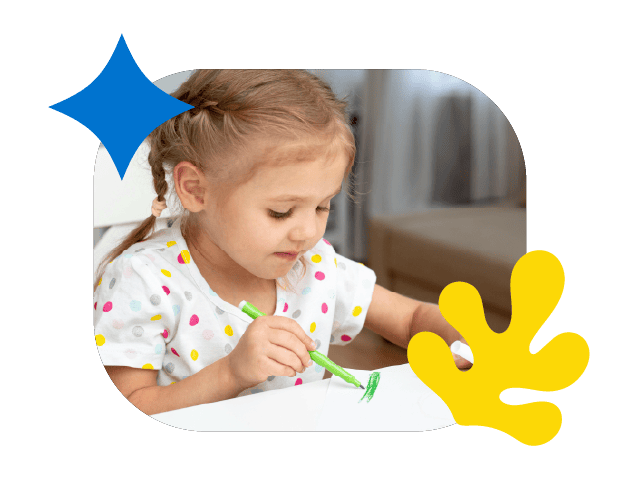
Fine motor skills involve the small, precise movements of the hands, fingers, and wrists. These skills allow children to complete everyday tasks like feeding themselves, drawing, writing, buttoning shirts, or using scissors.
From self-care to schoolwork, fine motor skills are at the heart of so many things children do each day. Developing these movements takes time, practice, and coordination between muscles, joints, and the brain.
Some children pick up these skills easily, while others need a bit more support to build the strength and control required.
How Will Working on Fine Motor Skills Help My Child?
Fine motor skills support your child’s independence, confidence, and success across many areas of life. Working on fine motor skills can help your child:
Complete classroom tasks like writing, drawing, and cutting
Manage self-care routines such as dressing, brushing teeth, and using cutlery
Play, build, and explore creatively using their hands
Join in with peers during games and activities that require hand-eye coordination
When fine motor skills are difficult, even small tasks can feel frustrating or overwhelming. Children may avoid certain activities or say things like “I can’t do it,” which can impact their confidence and limit their participation.
With support, fine motor improvements might look like tying shoelaces independently, writing with less effort, or feeling more confident using scissors or cutlery. By building fine motor skills, we’re helping your child feel more capable, independent, and ready to take on the tasks that matter most to them.
Fine Motor Skills: Facts vs Myths
Myth: “They’re just lazy. They don’t want to try.”
Fact: Many children want to succeed but lack the skills or strength. Avoidance is often a sign of frustration, not lack of effort.
Myth: “They’ll catch up once they start school.”
Fact: Fine motor demands increase rapidly at school. Early support can help prevent low confidence and academic challenges.
Frequently Asked Questions
How can Occupational Therapy help with fine motor delays?
Sessions may include drawing, games with tweezers or pegs, scissor practice, playdough tasks, and everyday routines like dressing or using cutlery. Activities are matched to your child’s interests and needs.
What does therapy look like?
Sessions may include drawing, games with tweezers or pegs, scissor practice, playdough tasks, and everyday routines like dressing or using cutlery. Activities are matched to your child’s interests and needs.
Can I help at home?
Absolutely. Integrating fine motor activities into everyday play like puzzles, craft, threading, or baking can make a big difference. The key is keeping it fun and achievable.
When should I get help?
If your child avoids tasks that require hand coordination, becomes easily frustrated, or struggles more than peers, it’s worth seeking an Occupational Therapy assessment. Early support builds confidence and can help prevent delays from compounding.
At Chatterbox we want the best for your family. Our therapists are kind and caring. They are passionate about working with children and helping your child to realise their true potential.