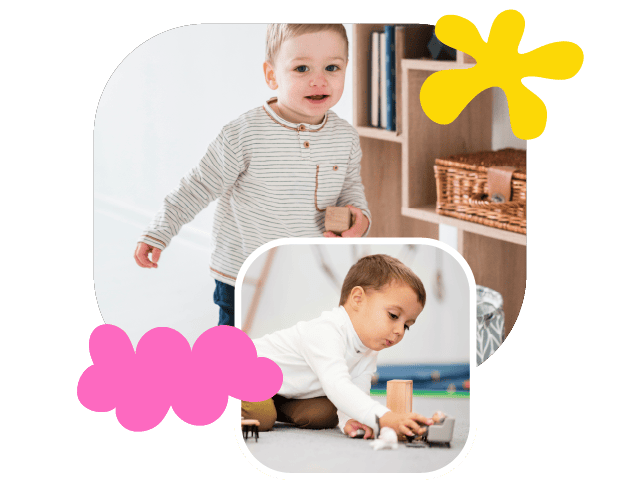
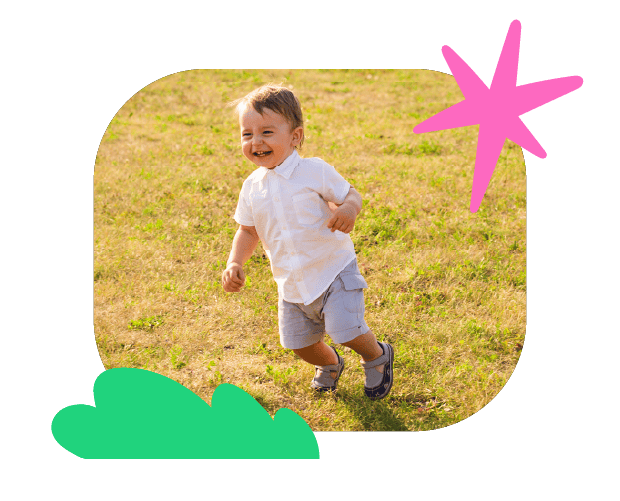
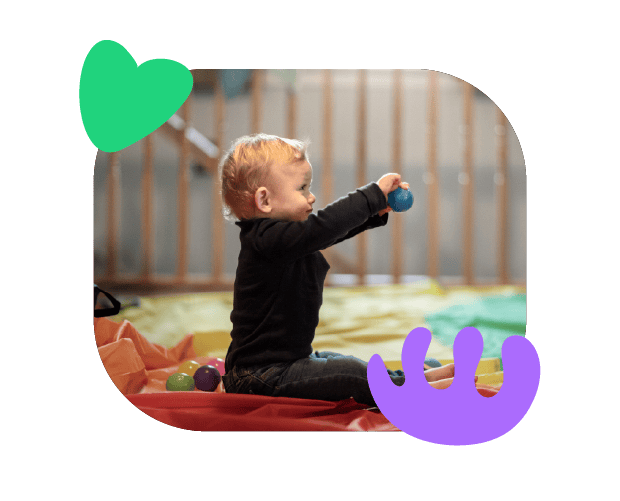
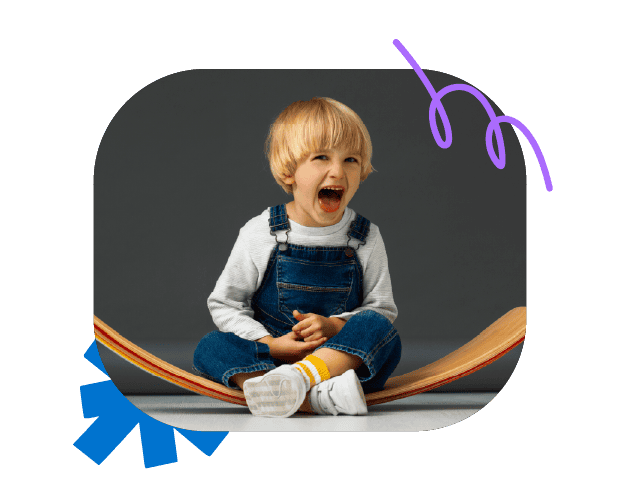
Gross motor skills involve the large muscles of the body. They help children do everyday movements like sitting, crawling, walking, running, jumping, and climbing. These skills support the large, coordinated movements children need for active play, sports, and everyday independence.
Strong gross motor skills don’t just support physical health, they also help kids feel confident and included. Whether it’s playing tip, riding a bike, or climbing at the playground, these movements form the foundation for a child’s independence and development, leading to improvements in social skills and their own self-care.
A lack of movement opportunities in early childhood
The good news? With targeted support, gross motor skills can grow – helping your child move more freely and confidently through their world.
How Will Working on Gross Motor Skills Help My Child?
Strong gross motor skills make everyday life easier and more enjoyable. Building these skills can help your child:
Stay active and healthy through movement
Build strength, balance, and coordination
Join in games and sports with peers
Manage practical tasks like climbing stairs, dressing, or carrying a school bag
With support, progress might look like riding a bike without training wheels, jumping with both feet, or having the confidence to join a game of tip at school. Gradual improvement may also see changes to your child’s fine motor skills, making everyday tasks become comparatively easier over time.
When movement feels easier, kids are more likely to participate, and participation builds confidence, social connection, and a sense of achievement.
Gross Motor Skills: Facts vs Myths
Myth: “They’re just clumsy. They’ll grow out of it.”
Fact: Some children do improve with time, but ongoing difficulty with gross motor skills may need targeted support to avoid falling further behind.
Myth: “They’re not ‘sporty’ so it doesn’t matter.”
Fact: Gross motor skills are about more than sport. They affect everyday tasks, classroom participation, and confidence in social settings.
Frequently Asked Questions
Can Occupational Therapy really help with gross motor skills?
Yes. Occupational Therapists assess your child’s movement, coordination, and muscle strength, then create fun, purposeful activities to help build those skills.
What does therapy look like?
Therapy might include obstacle courses, balance games, core strengthening, ball skills, or outdoor play-based tasks. It’s designed to match your child’s needs and interests.
Will my child grow out of it?
Some children do catch up with time and practice, but others benefit from early support to avoid frustration, exclusion, or injury. Therapy helps build both skills and confidence.
How do I know if we should get an assessment?
If your child avoids physical play, gets injured often, or struggles to keep up with peers, it’s worth chatting with an Occupational Therapist. You can contact our team or learn more about assessment here.
At Chatterbox we want the best for your family. Our therapists are kind and caring. They are passionate about working with children and helping your child to realise their true potential.